Life without Anorexia

My motto is
'Dont let the sadness of your past & the fear of your future ruin the happiness of your present'

My life at the moment is completely different to how it once was. I spent 5 years sick with anorexia nervosia and depression as well as struggling with self harm and overexercising. I spent 2 years in different treatment centres.
And since 2012 i have been declared healthy from my eating disorder.

I have been blogging for 7 years, and my whole journey is written in my posts. I now represent healthy and happiness. I want to show anyone struggling that it is possible to recover, no matter how hard it may seem.

I now blog about recovery, my life, veganism and positivity!

If you have any questions leave them in the comment section as i am much quicker at answering there, otherwise you can always send an email: [email protected]

Translate

Showing posts with label mandometer. Show all posts

Friday, September 19, 2014

Hunger and fullness, the Mando method.

 How to recognise fullness, does tv or reading really distract you, what the mando method taught you? 

This post has been a long time coming, so im sorry to you who ask about this. It's taken such a long time to actually find time to write.
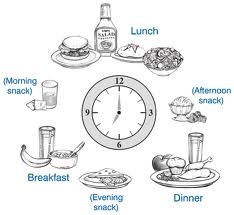
  How to recognize fullness? Well, i know ive posted this model 100 times before, but its a good one to follow.


How to actually recognize fullness? Well its different for everyone... for me, i stop eating when i am comfortably full... when its like i'm sure i could eat a fruit or a few more bites, but actually i am quite satisfied with the amount i have eaten.
   Personally, i still have it engrained in my head to finish the plate/bowl that i am eating. So say if i feel full but i still have a few bites left, i will still eat it because i don't want to waste but also i feel weird leaving a few bites of food left.
  Over time however i have learnt my portion sizes, ive learnt how much i can fit into my stomach when i am really hungry or just a little hungry etc etc So the amount i take always leaves me feeling satisfied and full. And if im not, then i take more.
  I like to think that after every meal i eat i should be full.. i shouldnt feel like i want more. Not physically anyway. Sometimes when you eat something so delicious mentally you just want more, you want one more slice but physically your stomach is saying no.
   So somedays when im really hugnry i eat every 1-2 hours and feel full after every meal, its just that i get hungry again quicker. And somedays its just 4 meals i eat  as i feel full longer.

Its good to also do the 20 mninute rule and to drink a glass of water. Often the body is thirsty and it takes 20-30 minutes for it to recognize that its full. If you arent satisfied after that, then take more. But this rule ONLY applies when you have eaten a normal portion. I mean if you eat a tiny bit of fish and 1,5 potatoes and a little salad, then no... you might not be full (or you shouldnt be full anyway). But if you eat a normal sized portion (HERE is a guide which might help you) adn wait and are still hungry, then it means you should eat a little more.

But also remember, in recovery you can feel hungry more often and more frequently. So called Extreme hunger where its like the food goes right through you. Even i have days or like 3 days where i feel like i could eat the contents of the fridge and pretty much do. There is nothing wrong with that.... though if you are a normal weight and still have extreme hunger, then i wouldnt say its a good thing.
Also if you have a meal plan - FOLLOW IT. Eat regularly and enough, the meal plan has been calculated for you. By following a meal plan you are more likely to get your normal hunger and fullness feelings back.

When i was at Mando i had a meal plan calculated for my needs which kept increasing over time as my body adapted to the calories. I felt very full after each meal, a big bloated belly and a tight feeling...  but that was because i had to eat so much and also stretch my stomach. My stomach size had shrunk so eating a normal sized meal would make me feel extremely full. I rarely felt hungry following my meal plan, my body didnt even have enough time to digest or process the previous meal before it was time to eat again. But thats how it is. In time, i did get my hunger and fullness feelings back. I started feeling hungry before the meals and a satisfied feeling afterwards. Somedays i even felt i could eat a little bit more... though these feelings came back when i started to do more things. When i just sat at Mando all day, doing nothing then i just felt a constant full feeling. But when i was at home and could more freely choose food and also what snack i was going to eat or what i was going to eat for dinner or lunch.
   I've written about the Mando Meter and Wii base HERE, so i dont feel like writing it out again. Though if you have any questions, just ask :)



When it comes to distracting yourself when you are eating... i have such mixed feelings about this. But i guess i will state my own personal opinion and that is, I think its ok with distractions when you eat.
 To read a book, to watch a film or TV, to study etc
Even now, i find it SUPER awkward to sit at the table alone, in silence and just eat. It might be because i like multitasking. I like getting 2 things done at a time, i.e i might as well eat while studying or eat while watching a series etc It  might even be a good thing for me to learn to just sit in silence and alone and eat.
 But then again, that isnt so normal either. Meals should be eaten with other people. Talking with other people, not just sitting in silence.

I think its good to be able to do both (or all 3...).. i.e eat while watching TV, not just focusing on the food. Eat in silence on your own, and just enjoy the food and taste. And also to be able to eat in a group and with others and jsut talk freely (no focus on food). (I am going to try write a post about eating infront of others or in groups as this has been requested, just give me a little time :))
  So practise all 3. Distractions while eating doesnt have to be a bad thing, it can help you cope with the anxiety because you dont just focus on eating. But also, if you always need a distraction to eat, then its not a good thing because you can't just distract yourself or have to have your mind somewhere else everytime you eat. You should be able to focus on  your food - without it being a negative thing - and enjoy it :)

Hopefully this helps you who asked the questions, and anyone else who had the same questions :)

Wednesday, March 12, 2014

Questions about Mando

I got some more questions about Mando which i thought i would answer:

(These answers are only about inpatients and at the Mando clinic i went to... so cant say that it is the same at every Mando. But the way they are and the techniques and routines should be the same!)

Dear Izzy, i`ve got some question about mando aswell, here it goes :-):
- How did you get through all the days, actually doing NOTHING? I mean, it sounds terrible boring just to eat and sit and eat and sit. For normally you have in edclinics different Kind of therapies, which hepls you getting through the day and cope with your fears about food and weightgain and not exercising and so on. So if theres absolutly no distraction, you will be confronted with your bad feelings every single minute, right? Even if you`re in the internet or watching videos, there is still so much time over!


Yes, it was terribly boring. Most of my day was spent on the internet, watching films or something.... Though i did do puzzles for a long time. There was an art room which you could go to, but you always had to be accompanied by a staff. And you usually got to go out for 10-15 minutes each day (which was the highlight of each day!!).
   I did go to the school there (a teacher who would give me school work), not that i had the concentration for it but i felt that i wanted to get away from the 'day room' at the clinic.
 Somedas went quick, others slow. But the fact is, so much time was spent eating and resting (i.e spend c.a 30 minutes eating each meal and then 30-60 minutes resting after a meal, so before you knew it you had to eat again.) One thing which i love though and abused (haha) was that i got to go to my room twice a day to do my inhalers and such for my CF.. and then i always spent extra time in my room, just to get away from everyone! hahaah

You could always talk to a staff or your case manager about what was going on in your head, but otherwise there wasnt so much talking. The staff where there so you could talk to them if you had anxiety and some patients did. I never did though so i would sit with my anxiety and horrible fat feelings...  I dont know if this was helpful or not. But i guess in time i sort of learnt to not listen to those feelings.
  The fact is though ,when you are an inpatient.. you cant escape it. You cant escape not eating. You have nothing else to do apart from eat or rest... so you just have to find your way of coping with the anxiety.

When me and D were inpatients she made my days briighter. We would sit and talk and we got up to lots of mischief while we were both there and have been able to laugh over some of the stupid things we did. That was pretty much the only time i was an inpatient that wasnt so bad, because i had someone to talk to.


- What did you do and what did the stuff do when you had a pani attac?

They would take you to another room and try to calm you down. They would try to talk to you and make you feel better, but apart from that, not so much. Often times you had to go to a warm resting room and sit there with a staff to calm down.

- What was the living together with your roomate(s) like?

It was ok. Most of the time i had a single room because of my CF (i shouldnt share room asi  can so easily catch viruses, but also because i had so many inhalers and things). But there were several times when i had to change room and get a room mate. And i hated it. Mainly because i would exercise while i was in the room.... So i felt so sorry for my room mate as i know i was very triggering for them. The doors to the rooms always had to be open and there was a glass window in the door so the staff could see in.
   We didnt get to spend any time in the rooms. We got c.a 1 hour in the morning to get ready and 1 hour in the evening before bed time. SO it was basicaly just changing, taking a shower etc

- what was exactly what the stuff was doing, did they talk to you when you felt bad etc?

The staff always sat there with us, but if you had anxiety or panic then you had to go to the staff. I was a very closed shell and never talked about how i was feeling. Sometimes the staff would try to pull me aside and talk to me but i never said anything. I got told by my case manager over and over that i had to begin talking to the patients and the staff and begin saying how i was feeling because they couldnt help me if i didnt open up. The staff were mailny there to keep us from exercising or doing anyhting stupid and to make sure we would eat.
  Some staff were nicer than others... some i got a better connection with whilst others i hated just the sight of them! haha

- did the stuff encourage you while you were eating?

Yeah they did. They would try to start conversations to get you not thinking about eating, but often times it was very silent in the dining hall. If you stopped eating or began saying that you couldnt eat or wouldnt eat then you would have to go to a food lab and sit there with a staff who would give you extra encouragement. I often sat in food labs where the staff would talk to me and try to get me to realise that i needed to eat, and would encourage me.

- did you have to drink juice?

Juice or milk for everymeal... though some people only drank water. It depended on your meal plan.

- what kind of profession do the case manager have?

The inpatient staff, who just sat there with us, i dont think they had so much of a proffession. Infact that was what i hated, bcause some it felt like where just there for free food and to sit and read magazines. They just didnt care about the patients at all, were mean and very rude. While others were nurses and cared more about the patients. I think all the case managers had a training to be a case manager...  Thouhgh i am not so sure.

- how were the calories etc calculatet?

I am not so sure, but im guessing on height, weight, age and how much you should gain a week - usually 0,5kg a week. And then if you were a day patient you would often increase calories even more as you had more activity.

- could you name favourite foods?

My favourite foods or?
   Chicken, cottage cheese, quark, oatmeal, nuts, chocolate, sweet potatoe, chocolate covered nuts, questbars, sushi, salmon, eggs etc etc :)

- does your School know about your ED?

  No :) Thats all in the past!!


Monday, March 10, 2014

Mando - Questions

Im glad that many of you liked my post about Mando. Though i did get quite a few inquiries and questions which i thought i would answer.

I'm wondering if you feel hungry after the 6 meals, are you allowed to ask for more food? (I know this is unlikely but just curious!)
Also, are the staff /case managers nice to patients? Or are they very paternalistic? 
How did patients interact there? Did you make any friends - or were the girls very 'competitive'?


It is very unlikely that you  would feel hungry after what you had eaten, though for those that were dealing with bulimic/binge tendencies they could feel hungry even though they had just eaten. As far as i am aware you werent allowed more food. You got a meal plan which had enough calories for you and for you to gain weight, and that was what you were supposed to eat... no more, no less (according to the dietician and staff). Though there was tea and coffee and water.
  Once i was actually recovering and started school again then i stopped following my meal plan.. exactly for that reason. Because i had gotten into my head that i wasnt allowed and shouldnt eat more than my meal plan, even thghough i still felt hungry sometimes... so when i stopped with my meal plan i found it easier to eat more after hunger and fullness feelings and not feel as guilty if i ate a fruit or a sandwich after lunch or ate more etc

Some are nice, some arent. Some were extremely strict, i.e you werent even allowed to sit with a straight back because that was 'burning too much calories' and you had to lean back into the seat. And you were barely allowed to go up to get water... whilst others were nicer and you could talk/joke to them :)
  Infact one of the staff was so lovely, and she really sympathized with us. She was so kind to everyone and whenever she worked she made the day a little better :)

As i was an inpatient 5 times i saw alot of patient come and go, and each time it was a different atmosphere, new patients. Sometimes the group of patients were really talkative and you made good connections and other times everyone just sat silent. I made a few friends while at Mando - D was one of them (still have good contact with her) and a few others who i still talk to. But while i was at Mando i was always silent. I never really talked to anyone, infact D was the one who got me talking and got me out of my shell....
   The patients were very comparing...you could tell how everyone eyed each others meals, how the other person ate, what they ate, how they looked etc etc And i guess thats normal. But i do admit, i got alot of new ED and anorexic tendencies while i was at Mando. Its like i learnt even more on how to be sick. But at the same time i could talk to people who udnerstood what i was going through and made some great connections with people.


 I'm sorry if this was included in the post, but did they use the Mandometer for snacks at all then? And was the height of the patient and things like that considered in the daily intake? Probably allergies were at least? What did they use the fullness rate for? Like, was it just for the knowledge that "OK, you're too full, that makes you too ill"?
   No the Mandometer was only for lunch and dinner. Breakgast and snacks had to be measured i.e (2dl yoghurt, 1 dl cereal, 1 tsp butter, 2tsp jam etc).
  Yes, height, weight, age etc was taken into account for the daily energy intake.
Well Mando has done lots of studies before the Mandometer was designed. The ttime limit for eating and the fullness and how much was a normal portion was after years of research. So it wasnt just a time they came up with.
  I mean now eating breakfast can take 15-25 minutes... mainly because i do other things while i eat. And lunch/dinner can take 20-25 minutes. Not because i try to eat slow but because i always seem to eat so much and because i do things like i eat - like study/write etc But while you're sick you can try eating really slow to try to get away with not eating or because you dont want to eat. So Mando want you to get into the habit of eating on time, eating quickly etc


I don't really get why you thought the food in the 'psych' ward was so 'bad'. If it was being served to other normal teenagers, and was normal things like lasagne, baked potatoes, etc.? How is that different to chicken in a cream sauce?

Now i dont think that food is bad. But while i was sick, well any type of food was awful. But at the time i could barely eat an apple without anxiety and then i was being served bisciuts with nutella and cheesy lasagna. Basically i dont think that sort of food should be served -at the beginning anyway  - to someone recovering from an eating disorder. I think its better to focus on normal and healthy food. There was a person who commented a while ago about how eating healthy food in recovery can actually be better because heavy food like baked potatoe, lots of white bread etc can make you feel heavy, compared to food like quinoa, beans etc which give you healthy energy. Etc
    The psych ward really didnt know how to help someone with an eating disorder. For the 2 months that i was there i barely ate anything and just continued losing weight. They also didnt make me eat. COmpared to Mando where they made you eat.
   
I liked Mandos method, for me it worked. But of course it doesnt work for everyone. However, until you decide to recover no treatment centre/care will really work. But sometimes it takes being an inpatient until you realise you want to recover!!!

Sunday, March 9, 2014

Mando & Mandometer

Ive gotten a few inquiries about Mando and whether it was good or not and how it was there.
   I spent 1,5 years at Mando - An inpatient5 times and a day patient 3 times. I didnt want to recover, so every chance i got i would cheat, exercise, skip eating, purge etc  For the first year i basically didnt do anything right... i would gain weight when i was an inpatient, though cheated every chance i got and once i became a day patient i would lose all the weight and more again.

I think Mando is a great treatment centre though, their main focus is eating and resting. Not so much talking. This can be a good thing for some and for others, it might not work .For me, as i find it so difficult to talk and there wasnt really an underlying problem to why i became sick. It was mainly (what i think anyway) that i wanted control over my life and had very low self esteem... and then that just spiraled out of control.

Also i got asked about how i learnt to eat propely, the right portions. At Mando we used this thing called a Mandometer, which we ate lunch and dinner on (i'll talk about that below) and we measured all our food. This of course can be seen as a sick thing, because well...you want to move away from measuring food and counting. However i think it was a good thing. I would never have eaten food if someone else had made it for me while i was sick. So it gave me sometype of control over what i ate by measuring the food. Knowing that i was using the right amount, however it also made you want to cheat... to always use less than what you were supposed to etc
   In time, when you got closer to healthy you began to get rid of measuring food, and not using the Mando Meter. So it was a gradual process of not measuring food. And that was a very good method, because you could use your eye measurements... you knew roughly how much you should be eating.


Mando - MandoMeter was the eating disorder clinic i went to (and still go to for check ups - I go the 5 year follow up program now. And its more for their sake that i go, rather than mine.). 


Theres an inpatiant ward (for the patients who have to stay there.) a day patient ward (you get to go home.) and then theres a 'hotel' bit. its for the patients who come from far away, or out of the country who dont need to be an inpatient anymore, but cant exactly go home each evening. so they stay at the 'hotel' where they have their own room. so its like you get to go home, but you dont leave the Mando building.

The treatment plan is centered around 6 meals a day. Every patient has their own individual meal plan. and we use measuring cups to measure up our food (ex. 1dl[100ml] yoghurt. 3dl [300ml] juice. 1 tsp butter. etc etc) So thats how we know that we get exactly what we're meant to have.   There is always staff which watch you  to make that you take the right amount. as in my opinion it was quite easy to cheat with the measurements.

  You eat, breakfast (8am), snack(10am.), lunch (12pm), snack (3pm), dinner, (6pm), and then a night snack (8.30pm)
  When you're day patient, you eat dinner and night snack at home. But for some, depending how far they've come in the treatment, it depends how often you actually are at Mando. but it starts off first (when you turn day patient) that you're there at 8am(breakfast) till roughly 3.30pm (after our snack).
  Each patient has their own meal plan which is based on their needs, so you dont eat the same as anyone else. There are always staff who eat with the patients. At the day centre part, the staff arent as 'strict' as in the inpatient section.

The day is centered around eating our meals, and resting. 

The patients are seperated into groups. the inpatients, have full supervision 24/7. and they eat they're meals together with the other inpatient patients and staff who watch them closely.
   then for the day patients, as there's so many. You're divided into groups. Group 1 and Group 2. and each group has different staff who watch you closely.

Some patients, would eat in a lab (seperate room) with a staff. But the aim/goal is to be able to sit with the others, and be able to just sit and eat and talk even. but they do say focus on the food. they say that snacks should take between 10-15 minutes and dinner and lunch should be eaten in 15 minutes.
   but if you take longer, there will still be a staff who sits with you to make sure that you eat your meal. If you really do take too long. then you're going to have to take a supplement drink, to replace the meal.
  so theres no avoiding eating.

The day patients arent watched 24/7. They're expected to be able to sit in the sofas and behave . but that doesnt mean that the staff cant see us. theres offices all around the "sitting/resting area" with glass windows, so they can see out and see the patients.
The sitting/resting areas, are made up of sofas, blankets, just cosy place to be able to relax. there are also computers and some magazines to read. the day patient side has windows in the sitting area, but in the inpatient side, theres no windows. making every thing quite claustrophobic.

There are also "resting rooms." where theres a bed, so you can lie down after your meals. the room is also set to a very warm temperature, as heat is supposed ot help with anxiety and guilty feelings.
   so depending on what you and your case manager have decided, you either rest in there or in the sofas.

Each patient has an individual case manager, the one who looks after you. you go and talk to.
  the one who decides what you next step is - school/work. when you have to come to Mando (as you progress the less you have to be there) they're also the ones who watch your weight.
   You're weighed regularly (sometimes once a week, sometimes every morning, sometimes 2-3 times a week etc), so they can see if you start to drop in weight and as you never really know when you will be weighed they eliminate the chance of you cheating with the scale (i.e trying to weigh more)

Mando meter - For  lunches and dinner you use this thing called Mando meter. basically its a weighing scale attached to a little computer screen.

   you put the plate on, and then there comes up this little gauge, which you have to fill up to 100%.
At the start, patients start off eating maybe 180g cooked food. but in the end you end up with 350gram food. (140gram carbohydrates. 105gram protein. 70gram cooked vegetables and 35gram sauce.) but with the Mando meter, its measured up in procent - 40%carbs. 30%protein. 20% vegetables and 10% sauce.(thats the full portion anyway.
   Then there also comes up this little gauge, where you have to fill in your fullness. as we cant rely on our own signs, we have to guess. try to follow this curve.
While we eat, we watch the computer screen. there are two lines. One line which goes diagonally across the screen, is how fast/slow we eat. we're meant to follow the line. the line has  time on it. you're supposed to eat in 15 minutes, but soem have it set at different times (18/20/25 even.) you're expected to try to follow the curve.
   then theres another curve... which goes from the bottom left corner, and it looks like an S. thats the fullness. so when the gauge comes up, while you eat... it puts a little dot on the screen where you answered. you're expected to try to get the dots on the curve.
   it sounds very diffucult and complicated. but it isnt.

the meals are then stored on the computer, which your case manager can look and see how you follow the curve.
The staff also have a very close eye while we weigh up the food, making sure we take the right procent. 

There are 3 different alternatives each day. so not everyone gets the same. Its your case manager who orders the food for you. At mando you have to eat meat... both fish and meat. There is a mix of food - while i was there i hated the food. I thought it was just high calorie, fattening and greasy food. But compared to the psychiatric ward which i was at first (where i got served burgers and fries, biscuits, nutella, hot chocolate, lasagna, cheesy baked potatoe etc) the food at Mando really wasnt the bad. It was food like pasta with chicken in a cream sauce, fish with potatoes and sauce, rice and sausage etc etc. In other words, normal lunches/dinners.


Wii - Base - That is basically when you test yourself, to see if you know the right amount of food. and to see how fast/slow you eat.
  you use the Mando meter, but instead of seeing the procent, you just put food on the plate. so you dont know how much you've actually taken. and then while you eat, theres no lines or curves you have to follow.
   that can be quite scary at first. but to be able to get rid of the Mando Meter, you have to be able to weigh up about right.
   so when you progress gets farther you start eating Wii base for you meals.
You case manager can see the results, see how much you weighed up.


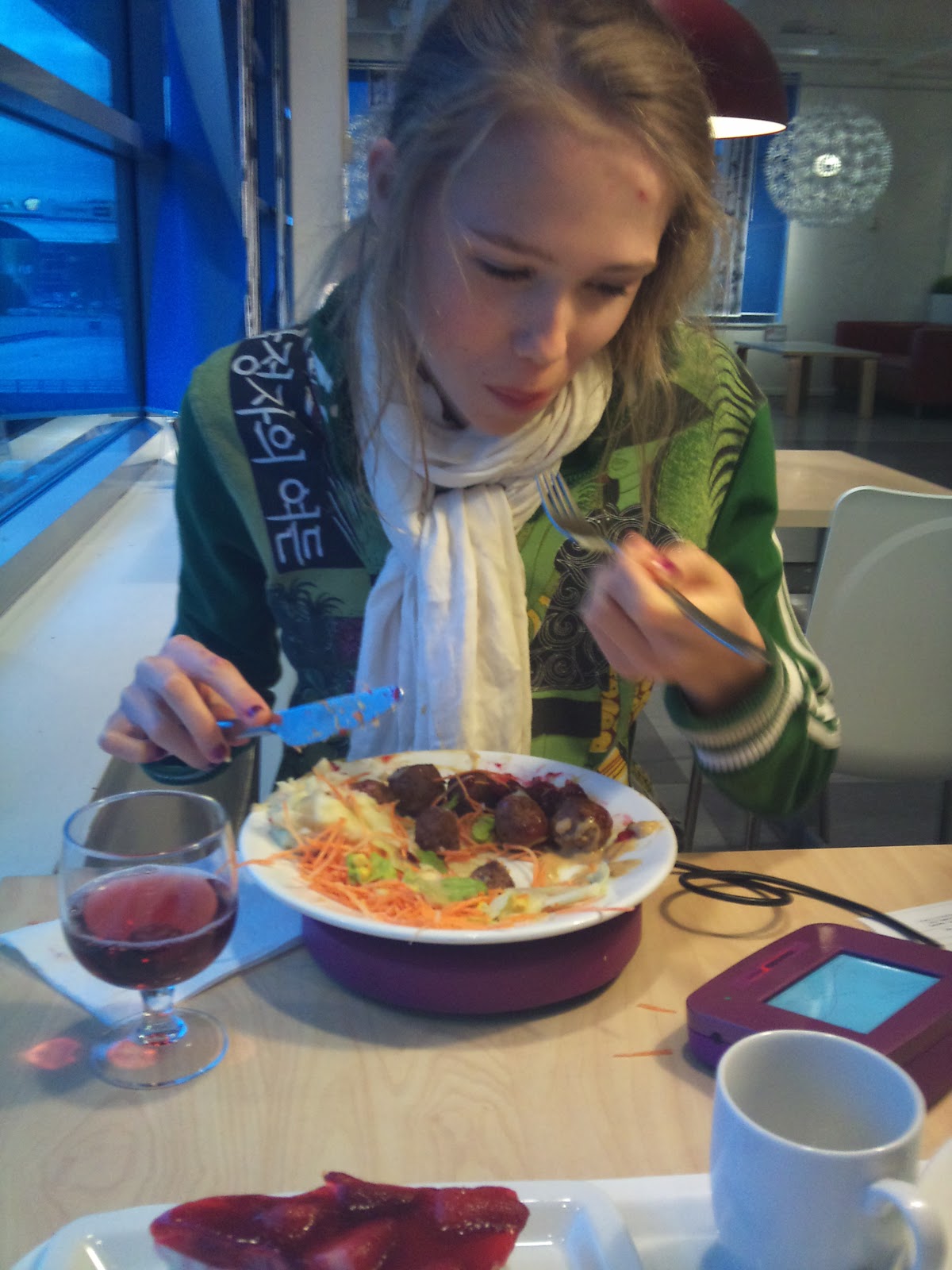
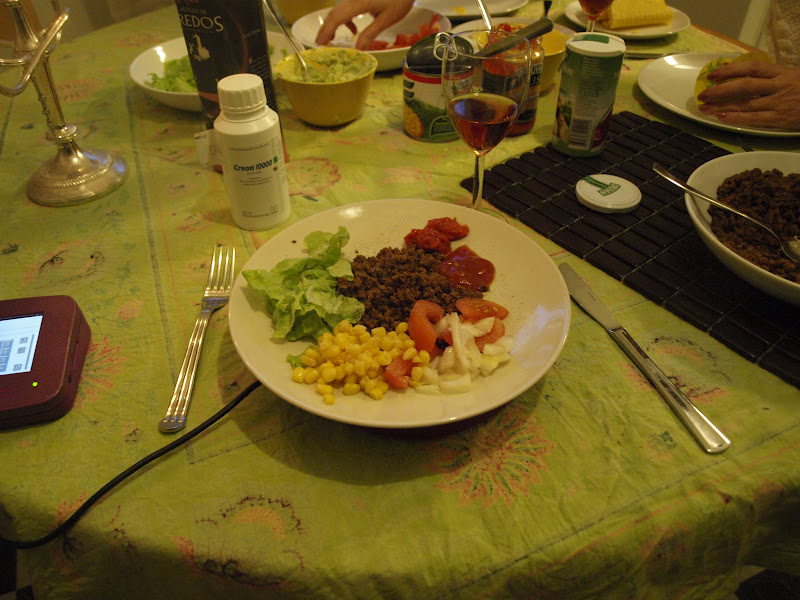
^^ This was one of the times when i was cheating with my Mando meter... ^^ Because that is NOT a healthy or enough portion & there were no carbs.

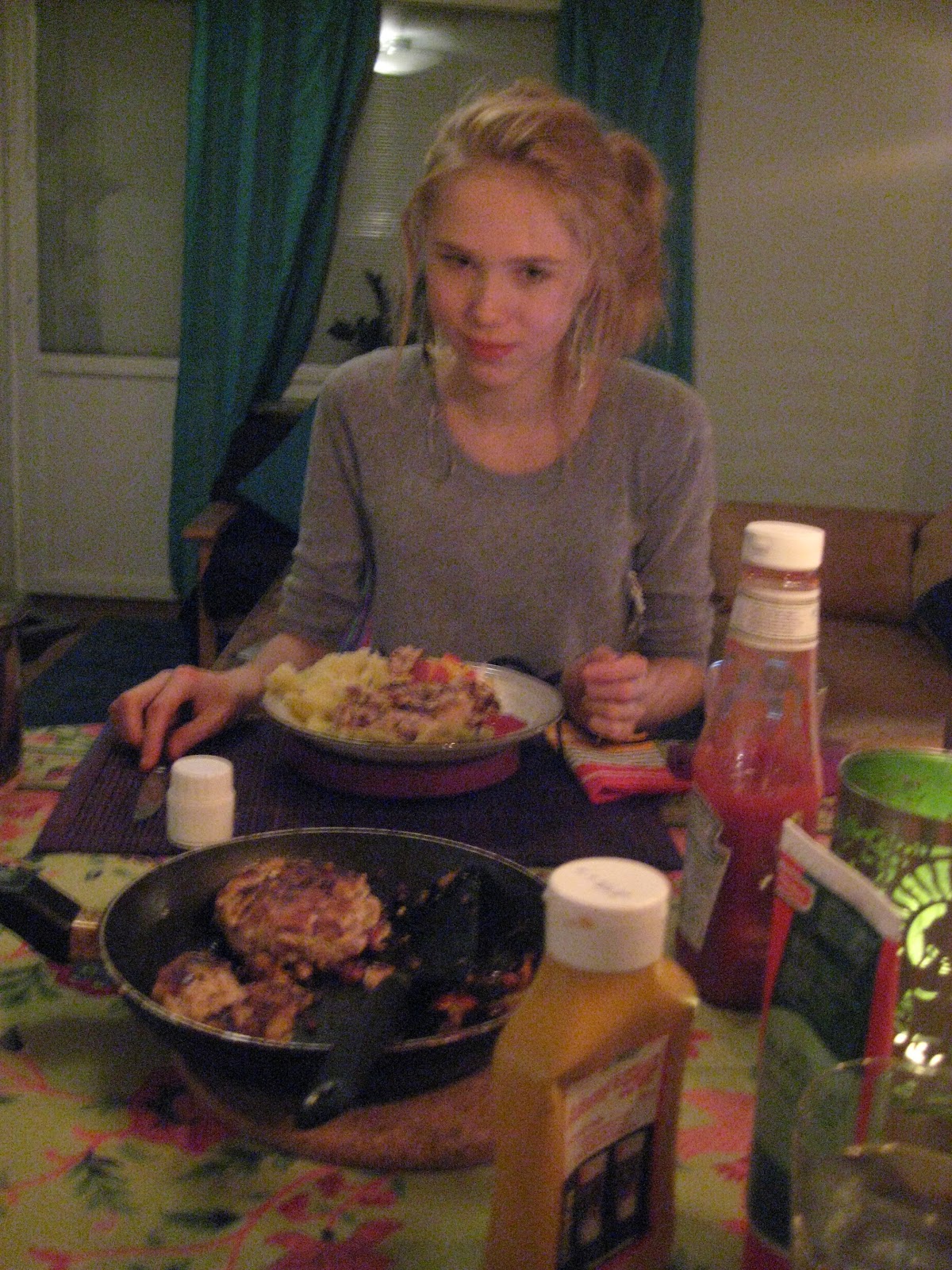
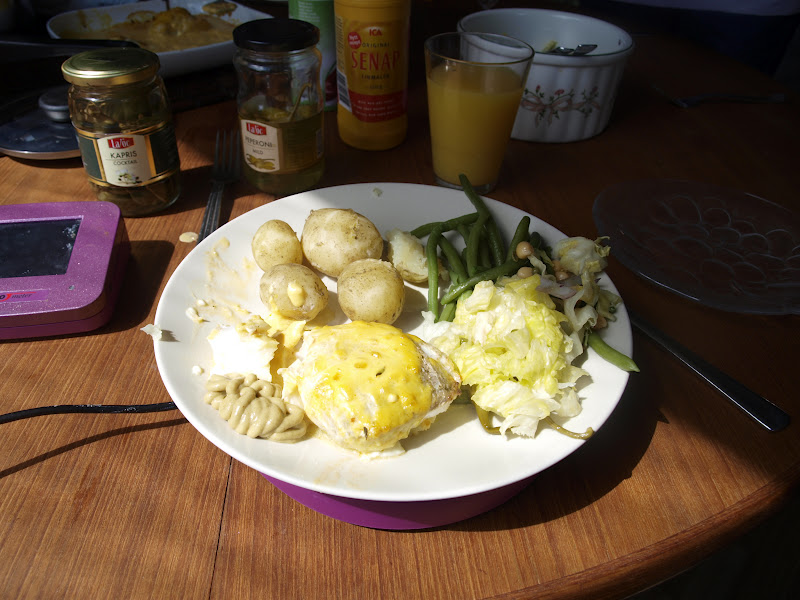
^^ That was how a typical portion looked... (its fish with a sauce on top, potatoes & veggies... But i used mustard instead of a proper sauce)


Hopefully this helps, to you who were wondering about  Mando :)

Saturday, January 4, 2014

Mando

I`d like to know more about the Kind of therapies you had in MANDO, beside the meals. Meetings with a psychiatrist, Arttherapist, Kind of body-therapy/Relaxing ....and how was the atmosphere between the sick girls? What did you DO the whole day....beside eating?

At Mando, their concept of recovery was mainly to just eat enough and to rest. And in time the mental side of eating disorders would get better as well, because you would no longer be starving yourself, meaning that you could begin thinking straight again. And once you had a healthy weight you would slowly begin going back to school and work and begin living life again.
   So there wasnt so much 'talking' done. You had contact with your case manager everyday - apart from on the weekend. You set up goals, like to eat within 20 minutes, to lie still for 30 minutes after each meal, to try one of the snack options etc etc
   
I was an inpatient at Mando 4 times, and a day patient 3 times & stayed in the 'hotel' part (still an inpatient, but not as much supervision) 3 times. 
    While you are an inpatient you are constantly supervised, there were staff everywhere, always 1-3 staff sitting in the sofas with the patients, and others who sat by their computers/desks. You were assigned a staff member each day who you could talk to if you needed it.
   What we did all day.... we sat in the sofas. There was a TV and a few computers which you could use, but most patients had their own computers. You sat there and waited until your next meal.... the highlight of the day was being allowed to go outside - where we would sit for 5-10 minutes once a day. 
  There was an art room, but you had to be supervised if you were going theere...
Basically there was to be 0 activity. No going up, no moving. Just sitting there, resting and eating.... so for me who had an exercise addiction it was awful, and you got sooo bored!
   The atmosphere between the patients.... it was alot of comparing. In the side of your vision you could see that someone would be looking at you... looking at your legs or arms. I constantly compared myself to the other patients, i always felt so fat, like i didnt understand why i was in treatment, because in my head i thoght i clearly didnt need it.
   Most of the time it was silent, not alot of conversation. But as i spent almost a year in total as an inpatient (2 years of treatment at Mando in total) i saw alot of patients come and go... at times the patients talked alot more and connections were formed, whilst other times it was silent all day.
   I never really talked to the other patients. There were a few who i got better contact with - D was one of them. She was the one who almost pulled me out of my shell, who made my day a little brighter. And we got up to some crazy things when we were both inpatients.
   
When you are in the hotel part, there is always 1-2 staff there who you can talk to, though they arent always sitting their with you - only for meal times. But for the rest of the time they are doing work and that, and you its up to you to make sure that you rest and dont do anything too active. But you have more freedom, because you can go up to the artroom, or go to the library (in another section of the hospital) or go and sit outside.
    There werent so many people in the hotel section at once, so it got very lonely but i spent most of my freetime in my room, though 2 of the times that i was in the hotel i would exercise in my room. But the 3rd time i was there, i was actually recovering, so then i spent alot of my time lying outside as it was summer, and spent time in the 'living room' so that i wouldnt exercise in my room.
   
When you are a daypatient, depending on how far you have come in your treatment, but you begin with being there from 8am-3pm, where you eat breakfast, snack, lunch and an afternoon snack and then you go home and eat dinner and night snack at home.
   When you are a daypatient you talk with your case manager everyday, and you begin with small challenges and facing your fear foods, such as eating pizza, McDonalds, chinese etc etc - the type of fear foods that you didnt have to face at Mando. You also slowly begin going back to school a work, going back to normal life. Still going for check ups and being weighed.
    The atmosphere between the patients at the daypatients side was still alot of comparing, but there wasnt so much conversation because you saw new faces every week... old patients who were just there for the day, or new patients, or patients who just came and ate lunch and left again etc etc. So it was very lonely, and i spent most of my time on the computer, or out walking.  I also spent alot of time laying puzzles.
  You have more freedo when you are a day patient as you are expected to be able to take care of yourself, to rest and to eat and be 'normal' so to say. There were lots of day patient staff but they all sat in their offices, but the offices had glass windows, so they could look out onto the sofas and see you.

At the start of 2011 i think it was, a psychiatrist began working, but i only went to see her once, after i had tried commiting suicide. But i just sat there silent, i didnt have anything to say. And she basically said she couldnt help me... so after that i didnt get to see her again, which i didnt mind.

The days are very boring at Mando, you dont do much. At times there are activities, or there are some patients who go out to eat lunch or go to town on an outing, but they dont happen so often. 
   But it felt like you had only just eaten before you had to eat again, somedays were worse where the day just dragged on, but other days the day just flew by.

So thats about it, but ask if you have any more questions :)